Insights

![[interface] image of blockchain security setup](https://cdn.prod.website-files.com/6a0dd277e767e522f7cc76c3/6a21d4aa9e6f366a2819d6af_Screenshot%202026-06-04%20at%203.39.48%E2%80%AFPM.png)
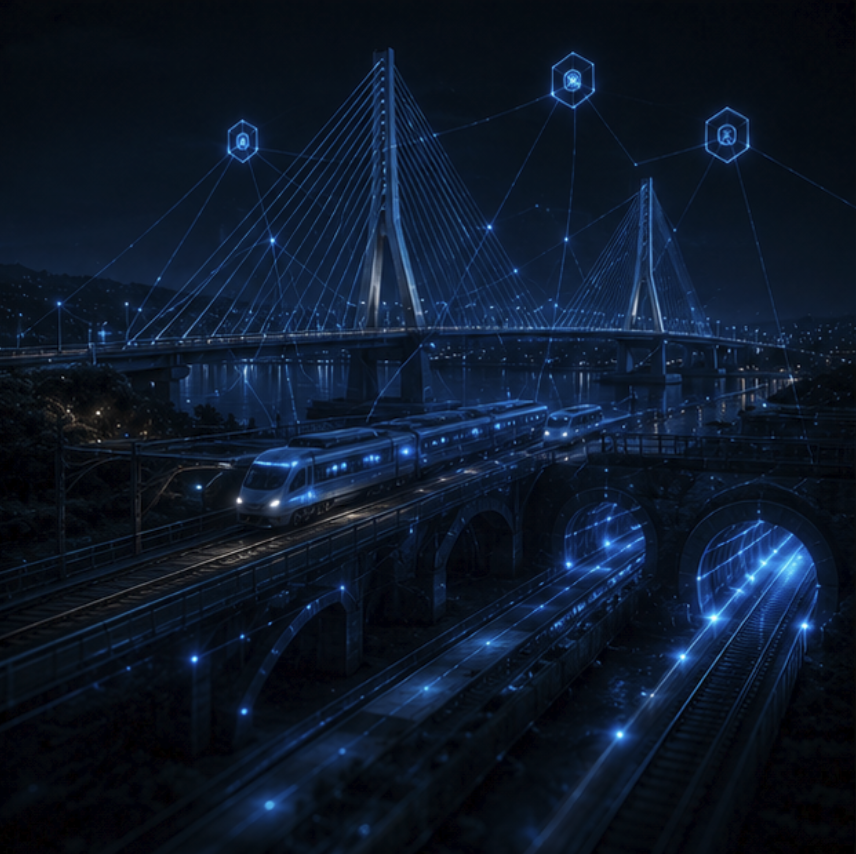

Critical infrastructure is the backbone of modern life. For decades, the systems running these environments were isolated and largely invisible to outside attackers.
This is no longer the case because as operational technology became connected to broader networks, it inherited every vulnerability that comes with that connectivity. The problem is these systems were never designed with that threat in mind.
OT and ICS environments were built for reliability and uptime, not security. Patching a power grid controller is not like patching a laptop. That tension between security and operations is what attackers exploit.
The attackers are not theoretical. Energy grids, water treatment facilities, and transportation networks have all been targeted by sophisticated threat actors in recent years, some even successfully. The intent is not always immediate destruction. Sometimes it is access and the ability to act later.
Nation-state adversaries in particular have shown sustained interest in critical infrastructure. The goal is leverage: the ability to disrupt essential services at a moment of their choosing. That kind of pre-positioned threat is hard to detect and even harder to remove once established.
Regulators are responding, but the pace of oversight has not matched the pace of the threat. Many operators are still running environments with little visibility into what is on their network, let alone what is moving across it.
Securing OT and ICS environments requires a different approach compared to IT security. The tools are different and the priorities are too. Moreover, the tolerance for disruption is near zero. Security has to work around the operations, not the other way around.
The transition starts with examining the environment. Years of operational changes, equipment upgrades, and added connections leave most OT networks far more complex than their documentation suggests. Getting that picture is step one.
Following this, the focus is on building segmentation and visibility. Establishing baselines for normal behavior and creating barriers between IT and OT environments are foundational steps that dramatically reduce the available attack surface.
Start with visibility. You cannot protect an environment you do not fully understand, and most OT environments have blind spots built up over years of incremental change. A thorough asset inventory is the foundation everything else is built on.
From there, focus on segmentation and access control. Limiting what can talk to what and who can reach operational systems remotely closes off the most commonly exploited paths without requiring a full infrastructure overhaul.
Do not wait for a regulatory mandate to force the conversation. Dragonfli Group works directly with critical infrastructure operators to build security programs designed around the unique demands of OT environments. Protecting uptime and protecting against attackers are not competing priorities. with Dragonfli group, they are the same mission.